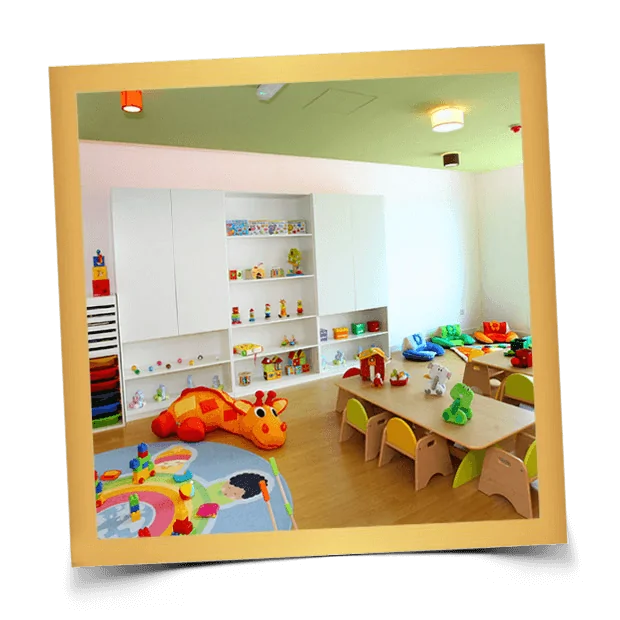
Is Your Toddler Ready For FS1? Key Readiness Signs To Look For

Moving from nursery into FS1 is a big step, but age alone does not determine whether a child is ready. Some toddlers eagerly explore new activities and interact with other children, while others need more time to develop communication, independence, and confidence.
If you are comparing FS1 schools in Dubai, these key readiness signs can help you assess whether your toddler is prepared for the next stage of learning.
Growing independence in daily routines
Toddlers who show growing independence may feel ready for a classroom setting. Simple habits such as putting away toys, washing hands, eating meals with limited help, and following basic instructions reflect developing self confidence. Children also begin expressing preferences and making small choices. These everyday skills help them manage familiar routines with greater ease and prepare them for group activities.
Developing communication skills
Communication plays an important part in early learning. A toddler who expresses basic needs, responds to simple questions, recognises familiar words, and communicates with gestures shows encouraging progress. Clear speech does not always appear at the same age for every child. Teachers support language growth through songs, stories, conversations, and playful activities that encourage children to share thoughts and connect with peers.
Showing curiosity about new experiences
Curiosity gives children motivation to explore their surroundings. A toddler who enjoys picture books, puzzles, colours, building blocks, and simple creative tasks may show readiness for structured learning. Interest in exploring new objects and asking questions also reflects growing attention. Short activities with clear beginnings and endings help children practise focus while enjoying discoveries at their own pace.
Building social and emotional awareness
Classroom life includes sharing space, meeting new people, and taking part in group activities. Toddlers who show interest in other children, practise sharing toys, or respond positively to familiar adults display promising social skills. Some separation anxiety remains completely normal. Gentle introductions, warm teacher interactions, and predictable routines help children develop trust and emotional comfort.
Managing short periods of separation
Readiness also includes spending brief periods away from parents or caregivers. Children who settle with a trusted adult, enjoy independent play, and accept comfort during moments of distress may adapt well to school routines. Families can practise short separations at home or during playgroups to build familiarity and confidence before the first school day.


More Stories
How To Commission Your Very First Savile Row Suit Without Feeling Intimidated
A first bespoke suit marks an exciting moment in a man's wardrobe. You may have questions about prices, fabrics, measurements,...
Why Pantry Supplies Consistency Matters More Than You Think
An office pantry that is fully stocked on Monday but runs out of essentials by Wednesday creates more disruption than...
Tips To Make Your Manicure Last Longer Than A Week
Chipped polish and peeling edges can spoil the look of freshly groomed hands within days. Simple habits help protect your...
The Cost Versus Value Of Using Certified Will Writing Services
The cost of preparing a will should be weighed against the value of clear estate instructions. Certified professionals help clients...
Sustainable Practices Adopted By Modern Exhibition Management Companies
Can a large exhibition leave a lasting impression without leaving a mountain of waste behind? Modern events are rethinking everything...
How Lubricants Suppliers Support Equipment Longevity
Industrial machines operate under constant pressure, friction, and heat. Without suitable lubrication, moving parts wear out faster, energy consumption rises,...