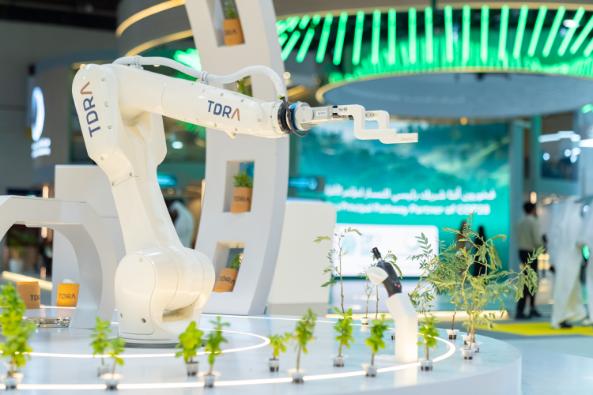
Sustainable Practices Adopted By Modern Exhibition Management Companies

Can a large exhibition leave a lasting impression without leaving a mountain of waste behind? Modern events are rethinking everything from stand construction and lighting to transportation, materials, energy use, and post-event disposal. Sustainable planning can reduce environmental impact while creating more efficient, cost-conscious exhibitions.
But which green practices actually make a difference? Here’s how the best exhibition companies in Dubai are bringing sustainability into modern event management and building more responsible exhibition experiences.
Sustainable booth materials
Exhibition teams select structures, recycled boards, bamboo details, and recyclable signage. Reusable walls and flooring move between events, cutting disposal volumes and material costs. Digital graphics replace printed sheets. Suppliers with environmental credentials help managers source materials that fit sustainability goals while keeping designs polished and appealing.
Energy efficient exhibition spaces
Modern venues adopt LED lighting, smart controls, and equipment to lower electricity use. Managers adjust lighting levels according to activity and daylight, while motion sensors switch lights off in quiet areas. Efficient screens and appliances reduce power demand, supporting greener event delivery without making spaces uncomfortable to visitors.
Waste reduction at events
Exhibition companies set up sorting stations that separate paper, metal, plastic, glass, and waste. Teams reuse packing crates, storage boxes, display components, and furniture across multiple events. Digital registration and electronic brochures reduce paper use. Food service partners select recyclable or compostable serving items, helping sites control waste effectively.
Smarter transportation choices
Transport planning supports sustainability through consolidated deliveries, local suppliers, shared logistics, and freight schedules. Exhibition teams group shipments and avoid unnecessary trips between warehouses, venues, and suppliers. Public transport details encourage lower emission travel. These measures reduce fuel consumption and support cleaner operations across busy exhibition schedules.
Responsible supplier partnerships
Exhibition managers assess suppliers through sustainability criteria, including material sourcing, energy use, packaging, waste handling, and reuse policies. Local vendors shorten delivery distances and simplify coordination. Rental partners provide furniture, lighting, and display systems across events. Strong supplier relationships make sustainability part of regular operations and everyday decisions.
Digital tools and paper reduction
Technology helps exhibition teams reduce printed material across registration, schedules, maps, product details, and visitor communication. QR codes give guests information through phones, while digital badges reduce paper consumption. Online forms simplify data collection and reduce printing. These changes save resources while keeping communication clear and convenient to visitors.

More Stories
How Lubricants Suppliers Support Equipment Longevity
Industrial machines operate under constant pressure, friction, and heat. Without suitable lubrication, moving parts wear out faster, energy consumption rises,...
Tips To Measure Leadership Development Progress
Leadership development can take significant time and resources, but its impact is hard to assess when you measure progress only...
How Advocates And Legal Consultants Protect Your Corporate Assets
Business assets face legal risks through contracts, disputes, compliance issues, intellectual property concerns, and financial disagreements. Strong legal support helps...
Dental Implants And Your Overall Health: What You Need To Know
A missing tooth can affect much more than your smile. It can change how you chew, influence the surrounding teeth,...
The Best E-Liquids To Pair With Your VGOD Pod
Different pod systems can produce noticeably different results depending on the liquid you use. Factors such as liquid consistency, flavor...
Setting Up The Ideal Home Study Space For Online A-Level Tutoring
Good study spaces help students settle into lessons with focus and confidence. The right desk, lighting, chair, and digital setup...