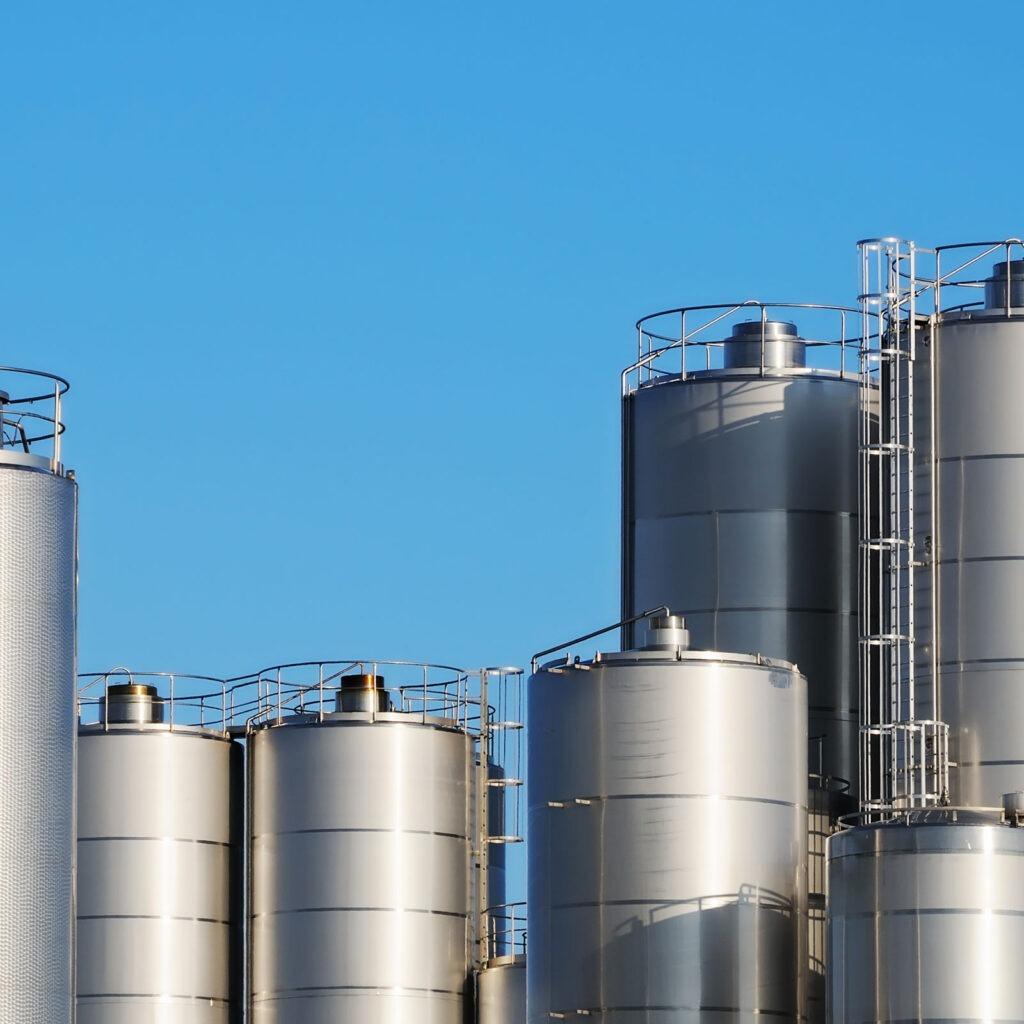
Regulatory Compliance Checklist For Commercial Fuel Diesel Tank Storage

Commercial diesel storage requires clear controls that protect workers, equipment, and surrounding areas. Regulations cover tank construction, installation, fuel handling, inspections, fire protection, spill prevention, and recordkeeping.
A compliance program helps operators identify gaps before they cause costly disruptions or safety concerns. Every facility benefits from a practical checklist that keeps essential requirements visible, organized, and ready for review, including fuel diesel tank storage.
Verify tank specifications
Start by confirming that the storage tank meets applicable industry standards and local requirements. Review its material, capacity, design, fittings, vents, valves, and pressure ratings. Check manufacturer documentation and certification records before installation.
Inspect tanks for corrosion, dents, leaks, or structural damage during routine checks. Accurate specifications also help inspectors confirm that the equipment suits commercial diesel storage conditions.
Check installation requirements
Tank placement deserves close review because location affects fire safety, access, drainage, and emergency response. Confirm required separation distances from buildings, ignition sources, property boundaries, and other equipment.
Verify that the foundation supports the tank securely and prevents shifting or uneven loading. Review piping routes, connections, grounding arrangements, and fill points. Local authorities may apply additional requirements based on tank capacity and site conditions.
Maintain fire safety measures
Fire protection remains a major compliance area for commercial fuel facilities. Keep suitable fire extinguishers near storage and dispensing points, and inspect them according to applicable schedules.
Clearly mark emergency equipment so workers can locate it immediately. Control ignition sources around the tank area and maintain suitable electrical installations. Staff also require clear procedures for responding to fire, leaks, and fuel-related emergencies.
Control spills and leaks
A spill prevention program helps protect soil, drainage systems, equipment, and personnel. Inspect tanks, hoses, valves, fittings, and dispensing equipment for signs of leakage. Maintain secondary containment where regulations require it, and keep containment areas free of rainwater, debris, and accumulated fuel.
Place spill response materials in accessible locations. Record incidents promptly and follow the reporting rules that apply to the facility.
Schedule inspections and testing
Regular inspections help operators identify defects before they become serious compliance issues. Establish inspection intervals for tanks, piping, valves, vents, containment systems, and safety equipment.
Qualified personnel should assess components according to applicable standards and local regulations. Keep inspection findings, repair details, test results, and corrective actions in organized records. A consistent inspection schedule also gives facility managers useful evidence during regulatory reviews.


More Stories
Setting Up The Ideal Home Study Space For Online A-Level Tutoring
Good study spaces help students settle into lessons with focus and confidence. The right desk, lighting, chair, and digital setup...
GRP Sculptures And Installation Challenges
A GRP sculpture may be lightweight compared with many traditional materials, but installing a large or complex piece can still...
The Difference Between API 6D And General Valve Training
Industrial valves serve different systems, so training programs also vary in their focus and technical depth. General valve training covers...
How To Achieve Smooth Finishes On Fiberglass Sculptures
Fiberglass sculptures capture attention with their intricate details, polished surfaces, and impressive designs. However, achieving a flawless finish takes patience,...
How Document Storage Protects Against Fire And Flood
Important documents hold valuable information that people cannot easily replace. Birth certificates, legal contracts, financial records, and business files all...
The Hidden Cost Of Ignoring Team Building In Fast-Growing Companies
Rapid growth brings fresh opportunities, ambitious targets, and expanding teams. As headcount rises, small communication gaps can become expensive problems....