The Difference Between API 6D And General Valve Training

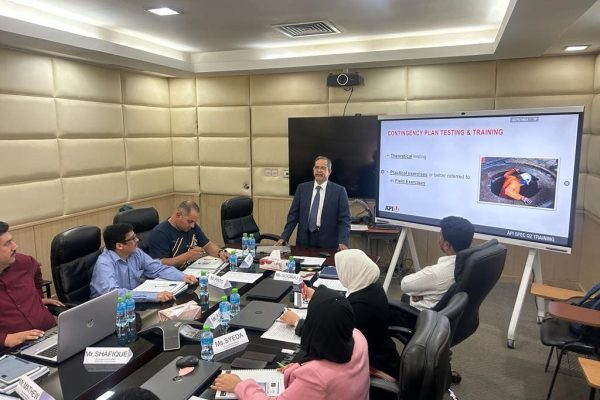
Industrial valves serve different systems, so training programs also vary in their focus and technical depth. General valve training covers broad principles, including operation, inspection, maintenance, and troubleshooting. API 6D training concentrates on standards associated with pipeline valves and related applications. Professionals who choose API 6D training gain specialized knowledge for relevant industrial responsibilities.
Understanding the main training objectives
General valve training introduces participants to various valve types, their components, operating principles, and maintenance procedures. It helps beginners and experienced technicians strengthen their understanding of industrial valve systems. In contrast, API 6D training focuses specifically on the requirements of the American Petroleum Institute’s API 6D standard. This program prepares participants to understand pipeline valves, their technical specifications, inspection procedures, and industry compliance requirements.
Differences in technical knowledge
General valve training covers a broad range of equipment, including gate, globe, ball, butterfly, and check valves. Participants learn about valve selection, installation, troubleshooting, and routine maintenance. API 6D training concentrates on pipeline valves and their specific engineering requirements. Participants explore design specifications, pressure testing, material selection, documentation, and inspection practices. This specialized knowledge helps professionals understand the technical expectations of pipeline operations.
Practical skills and industry applications
Both programs develop useful technical skills, but their practical applications differ. General valve training prepares technicians to handle different valve systems across manufacturing plants, processing facilities, and industrial operations. API 6D training focuses on pipeline applications, particularly in the oil and gas sector. Participants study the requirements for pipeline valve inspection, testing, and quality control. This focused approach helps professionals apply relevant standards to demanding industrial environments.
Certification and compliance requirements
General valve training usually focuses on equipment knowledge and practical competence. Its content varies according to the training provider and program objectives. API 6D training specifically addresses the requirements of the API 6D standard, helping participants understand compliance expectations for pipeline valves. Professionals gain knowledge of applicable specifications, inspection records, testing procedures, and quality requirements. This understanding supports their work with manufacturers, inspection teams, and pipeline operators.
Choosing the right training program
The right program depends on a professional’s current responsibilities and career objectives. General valve training suits individuals seeking broad knowledge of industrial valves and their operation. API 6D training serves engineers, inspectors, quality professionals, and technicians who work with pipeline valves. Both programs offer valuable technical knowledge, but their specialized content serves different professional requirements.
More Stories
How To Achieve Smooth Finishes On Fiberglass Sculptures
Fiberglass sculptures capture attention with their intricate details, polished surfaces, and impressive designs. However, achieving a flawless finish takes patience,...
How Document Storage Protects Against Fire And Flood
Important documents hold valuable information that people cannot easily replace. Birth certificates, legal contracts, financial records, and business files all...
The Hidden Cost Of Ignoring Team Building In Fast-Growing Companies
Rapid growth brings fresh opportunities, ambitious targets, and expanding teams. As headcount rises, small communication gaps can become expensive problems....
Pedicure Safety Tips To Avoid Infections
Healthy feet deserve the same care as freshly polished toes. Women enjoy salon pedicures as part of their grooming routine,...
How To Conduct A Feasibility Study For A Development Project
Strong development decisions begin with clear financial and market evidence. A feasibility study examines the project idea, location, costs, demand,...
Essential Elements Every Shop Fit Out Contractors Must Master
A well fitted shop supports smooth operations, attracts customers, and reflects the brand from the first glance. Every detail, from...