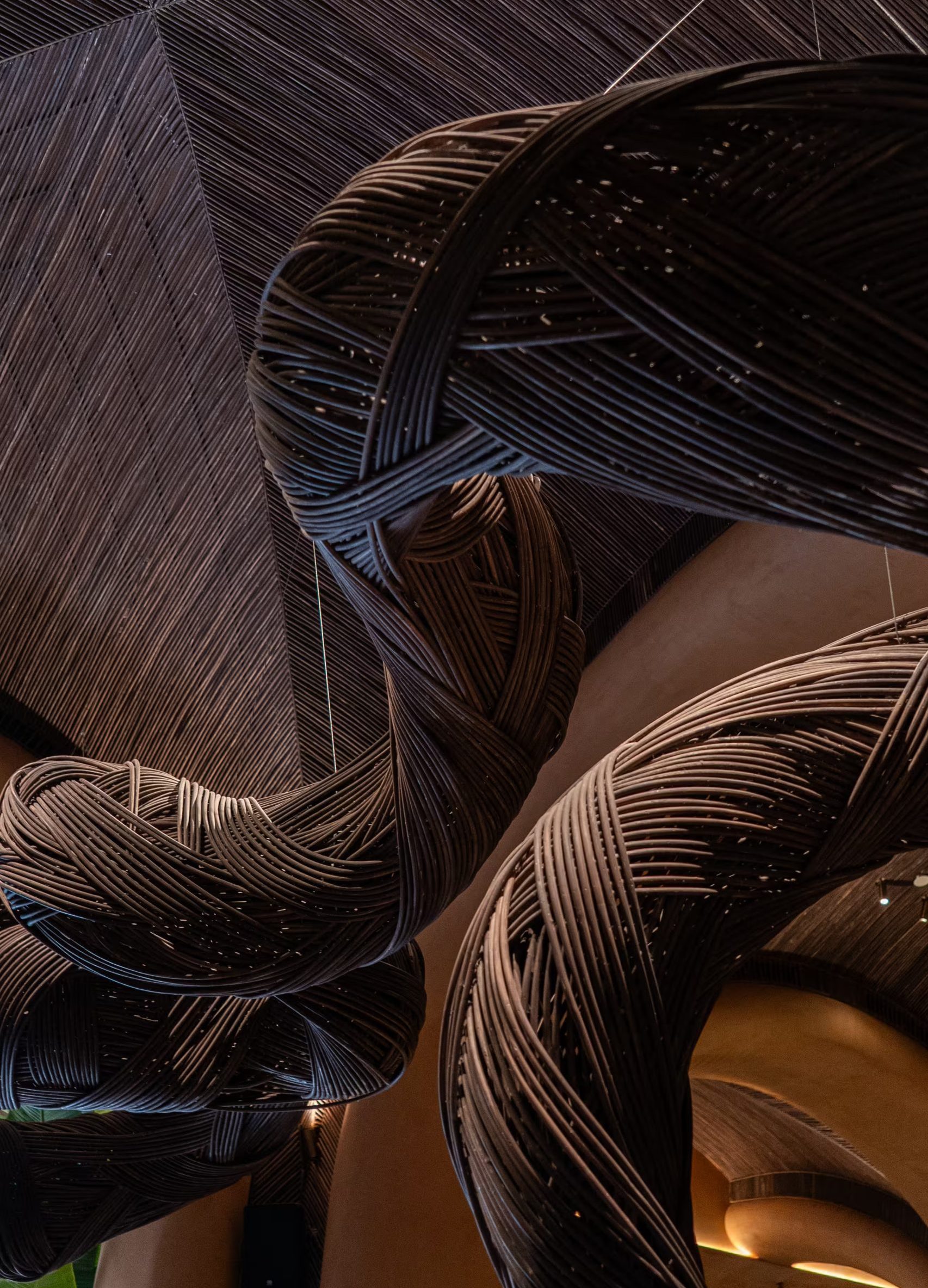
GRP Sculptures And Installation Challenges

A GRP sculpture may be lightweight compared with many traditional materials, but installing a large or complex piece can still involve significant technical challenges. Before installation begins, consider site access, structural support, anchoring, transportation, weather exposure, lifting equipment, and the sculpture’s final position. Missing these details can create safety risks, delays, or costly on-site adjustments.
Proper preparation and technical planning are essential to ensure GRP sculptures are installed securely and achieve the intended visual impact.
Transportation and handling concerns
Large GRP pieces require sensible handling during transportation because unusual shapes can create awkward lifting points. Teams inspect the sculpture before loading and use suitable protective materials around delicate sections. Strong support frames, padded restraints, and properly positioned lifting equipment help reduce movement during transit.
Oversized pieces may also require route checks, suitable vehicles, and coordinated delivery schedules. Smaller sections can travel separately and join together at the installation site, which makes handling easier for complex designs.
Site access and positioning issues
Installation locations can present restricted entrances, narrow corridors, uneven surfaces, or limited equipment space. Teams measure access points before delivery and compare them with the sculpture dimensions. Large GRP forms may arrive in sections when the site cannot accommodate a complete piece.
Installers also inspect ground conditions and identify suitable positioning points before assembly. These steps help crews place each component accurately while reducing delays caused by unexpected physical restrictions.
Assembly and structural support
Complex GRP sculptures may include several interconnected parts that require secure joining. Installers use suitable internal frameworks, brackets, anchors, and connection systems according to the sculpture design. Structural support becomes especially important for outdoor installations exposed to wind and changing weather.
Engineers assess load distribution and anchoring requirements before installation begins. A well-designed support system helps the sculpture remain stable while preserving the intended proportions and visual appearance.
Weather and environmental exposure
Outdoor GRP installations face sunlight, rain, humidity, dust, and temperature changes. Although GRP offers strong resistance to many environmental conditions, surface finishes still require suitable protection for long-term outdoor use. Installers select coatings and finishes according to the location and expected exposure.
Drainage is also important because trapped moisture can affect joints or supporting areas. Regular inspections help identify surface damage, loose fittings, or coating wear before minor issues become larger maintenance concerns.
More Stories
The Difference Between API 6D And General Valve Training
Industrial valves serve different systems, so training programs also vary in their focus and technical depth. General valve training covers...
How To Achieve Smooth Finishes On Fiberglass Sculptures
Fiberglass sculptures capture attention with their intricate details, polished surfaces, and impressive designs. However, achieving a flawless finish takes patience,...
How Document Storage Protects Against Fire And Flood
Important documents hold valuable information that people cannot easily replace. Birth certificates, legal contracts, financial records, and business files all...
The Hidden Cost Of Ignoring Team Building In Fast-Growing Companies
Rapid growth brings fresh opportunities, ambitious targets, and expanding teams. As headcount rises, small communication gaps can become expensive problems....
Pedicure Safety Tips To Avoid Infections
Healthy feet deserve the same care as freshly polished toes. Women enjoy salon pedicures as part of their grooming routine,...
How To Conduct A Feasibility Study For A Development Project
Strong development decisions begin with clear financial and market evidence. A feasibility study examines the project idea, location, costs, demand,...