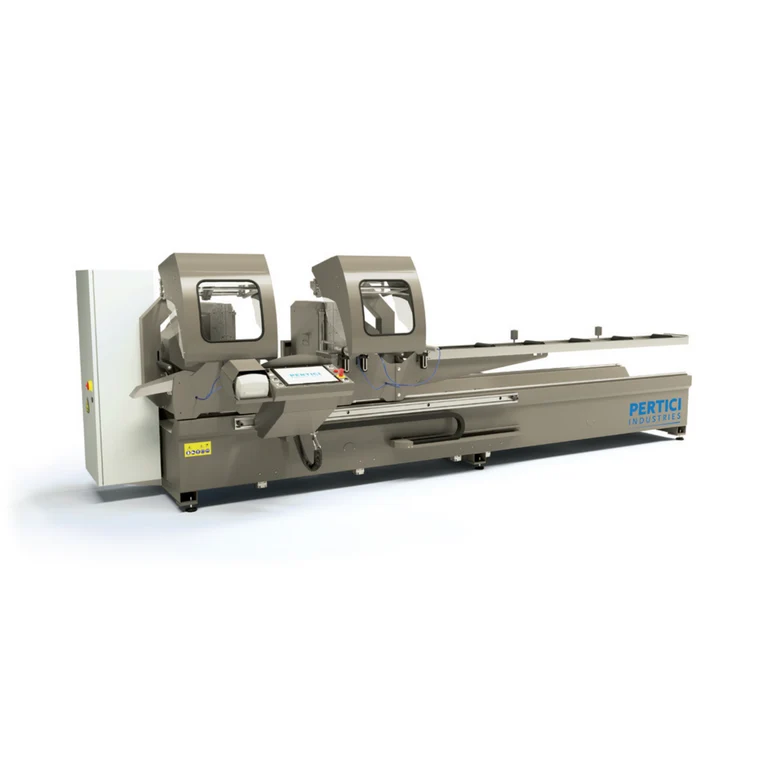
Master The Challenges Of Thermal Management In CNC Aluminum Cutting

Temperature control stands at the heart of clean, accurate aluminum machining. During cutting, friction and high spindle speeds generate heat around the tool and workpiece. Excess heat affects surface quality, tool life, dimensional accuracy, and production speed. A strong cooling setup keeps these issues under control and helps operators get consistent results from CNC aluminum cutting without wasting material or time.
The concept of heat during cutting
Aluminum transfers heat quickly, which sounds helpful at first. The issue appears when cutting generates heat faster than the material and tooling can release it. Chips may retain heat, while the cutting edge faces rising temperatures. This condition can soften the edge, increase wear, and affect the finished surface. Operators watch cutting speed, feed rate, depth of cut, and spindle speed to control heat. Balanced settings reduce friction and keep the cutting zone stable.
Choosing the right coolant
Coolant plays a major part in thermal control. Flood coolant removes heat from the cutting area while also helping chips move away from the workpiece. Mist systems offer another option for specific machining tasks. The coolant flow should reach the actual cutting zone. A weak stream leaves hot spots around the tool. A strong, focused stream helps cool the edge and clears chips from the work area.
Managing chip buildup
Hot chips can return heat to the workpiece and cutting tool. Chip buildup also increases friction, which raises temperature further. Proper chip evacuation keeps the cutting area cleaner and cooler. Air blasts, coolant streams, and suitable tool geometry help move chips away quickly. Operators also check flutes for blockage during longer production runs.
Selecting suitable cutting tools
Tool choice has a direct effect on heat generation. Sharp carbide tools with suitable flute designs reduce rubbing and support efficient chip removal. Tools with polished surfaces also help aluminum chips move smoothly. A worn tool produces extra friction and heat. Regular tool checks help maintain stable cutting conditions and protect surface quality.
Controlling cutting parameters
High spindle speeds can produce excellent aluminum cuts, but excessive speed raises heat. Feed rates also influence temperature. A feed that runs too slowly may cause rubbing instead of efficient cutting. Operators adjust speed and feed together. The right combination keeps the cutter engaged correctly while limiting unnecessary friction.


More Stories
Critical Illness Insurance Vs. Health Insurance – What’s The Difference?
Health insurance and critical illness insurance both help protect you during health emergencies, but they work in different ways. One...
The Home Nursing Services Checklist Every Family Should Follow
Managing care at home is easier when families follow a clear, organized routine. Daily responsibilities may include giving medicines, preparing...
The Herman Miller Aeron Chair Sizes Explained For Confused Buyers
Selecting the right office chair size sounds simple until you look at the Aeron size chart. Herman Miller offers three...
The Herman Miller Aeron Chair Sizes Explained For Confused Buyers
Selecting the right office chair size sounds simple until you look at the Aeron size chart. Herman Miller offers three...
How Solid Surface Manufacturers Manage Large-Scale Orders
Handling a large order takes strong coordination, reliable production, and clear communication. Manufacturers must keep raw materials ready, schedule machines...
The Biggest Mistakes Parents Make When Choosing Kids Birthday Party Places
Planning your child’s birthday party should be exciting and memorable, but picking the wrong venue can turn it into a...